Norway proposes three offshore areas for fish farming, with competition based on quality
The Ministry of Trade, Industry and Fisheries sent draft area allocation rules out for consultation on Tuesday, Nov. 17, proposing three sea areas for offshore aquaculture and a first allocation round in which three different operators would each take one area.
STJØRDAL: The government has proposed which sea areas should be announced for offshore fish farming, and how companies should compete to develop them. On Tuesday, Nov. 17, the Ministry of Trade, Industry and Fisheries sent a draft area allocation regulation out for consultation. The regulation is to form the basis for the competition to develop offshore aquaculture. The proposal was put forward in connection with an input meeting in Stjørdal on Nov. 17, 2026.
Prime Minister Jonas Gahr Støre described offshore aquaculture as an industry that could make significant contributions to value creation along the coast in the years ahead, and the proposal as an important and central milestone for realising offshore aquaculture, because it sets out both which areas can be competed for and which requirements operators must meet to develop them. Sent for consultation at the same time are certain amendments to the salmon allocation regulations and a draft guide for the work on area plans.
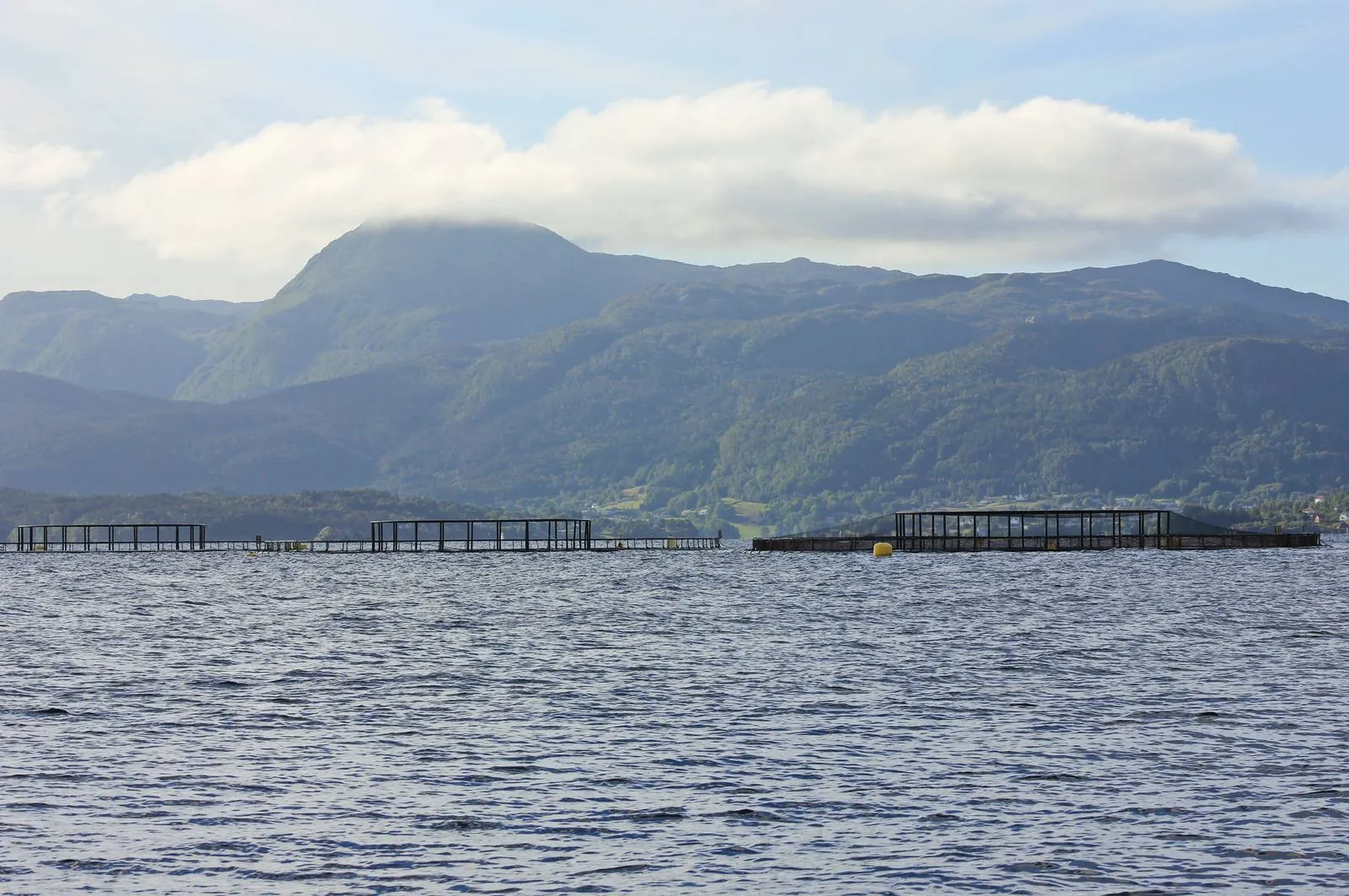
Three areas, three operators
The ministry proposes to announce three areas for offshore aquaculture: Norskerenna sør, at 364 square kilometres; the western part of Frøyabanken nord, at 1,134 square kilometres; and the western part of Trænabanken, at 2,437 square kilometres. The arrangement provides for three area commitments to be awarded, spread across three different operators, in this first allocation round for offshore aquaculture.
Fisheries and Oceans Minister Marianne Sivertsen Næss said offshore aquaculture combines two fields in which Norway is at the forefront, aquaculture and offshore technology, and that it is therefore also a large opportunity for Norwegian technology and supplier industry.
Competition on quality, not only on price
The ministry says it wants the competition to be based on quality, and not only on who is willing to pay the most. Applications that meet the qualification requirements will be assessed against qualitative criteria, among them delivery capability and environmental sustainability. The draft regulation sets out the division into the three announcement areas and the framework for the competition, together with general conditions for operators developing offshore aquaculture, and its annexes cover the areas, the qualification requirements for taking part, and the qualitative criteria with their weighting for ranking applications.
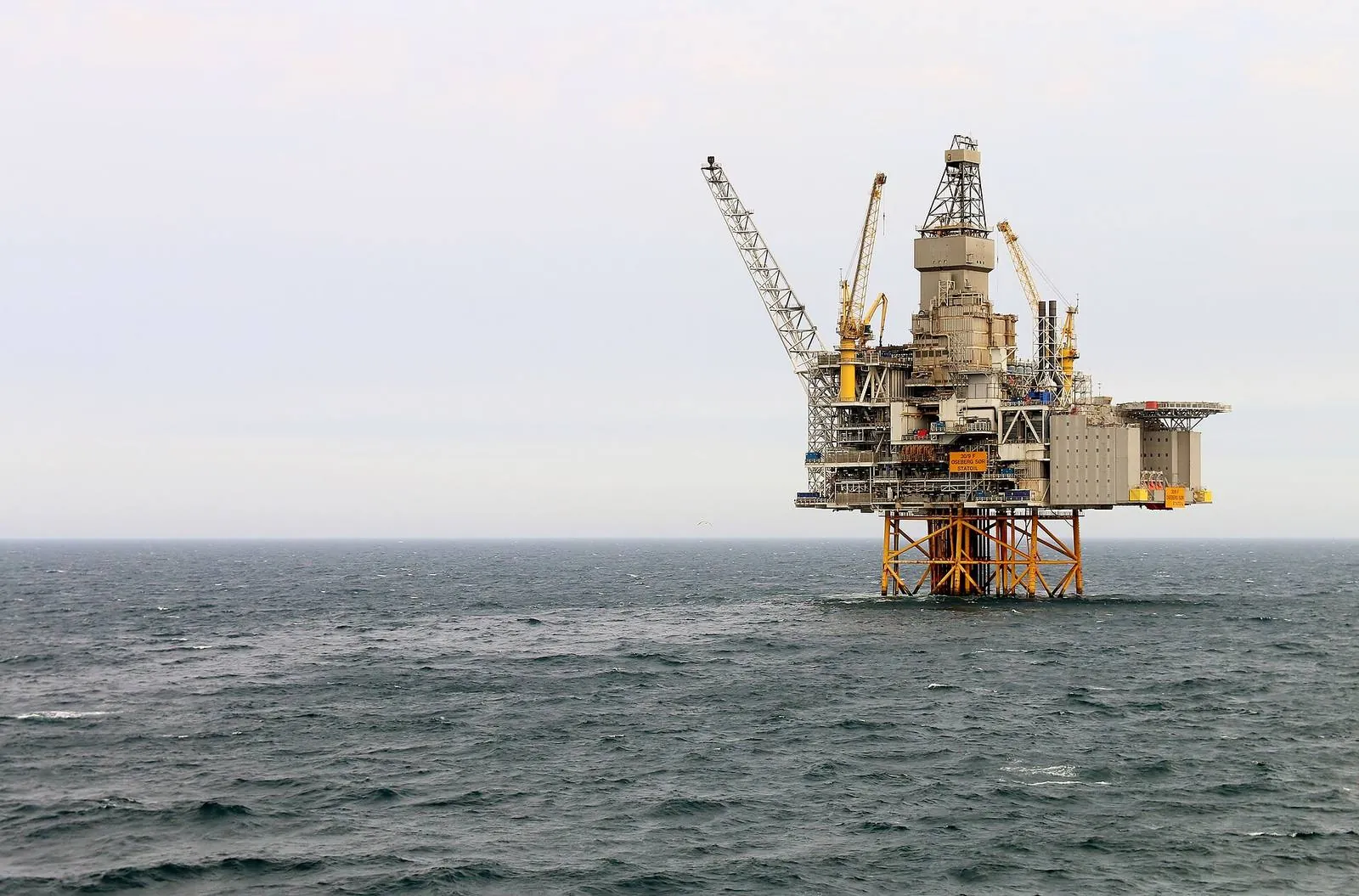
Winning an area does not grant a right to start production. The winner of the competition will in the first instance gain the right and the duty to draw up a comprehensive area plan for the area. An approved area plan will then give the operator the right to apply for permission for production at offshore sites. The proposed amendments to the salmon allocation regulations mainly concern the conditions for the different decision steps in that process, including a clarification of the legal effects, duration and limitations of the area commitment and of later decision steps.
The draft guide for area plans was prepared by a working group made up of the Directorate of Fisheries, the Environment Agency, the Food Safety Authority, the Ocean Industry Authority and the Labour Inspection Authority, and is sent for consultation in parallel so that early input can feed into the further work on the guide. The consultation deadline is Feb. 17, 2027. When the consultation is finished and the responses have been assessed, the work on the first competition for area commitments for offshore aquaculture can be set in motion.
None to date. The Tribune corrects errors promptly and transparently. Read our corrections policy.