Licensed to drill, bound to save: the fiscal frame around APA 2026
Twenty-one companies want to explore. The white paper sets the 3 percent spending path that will govern whatever they find.
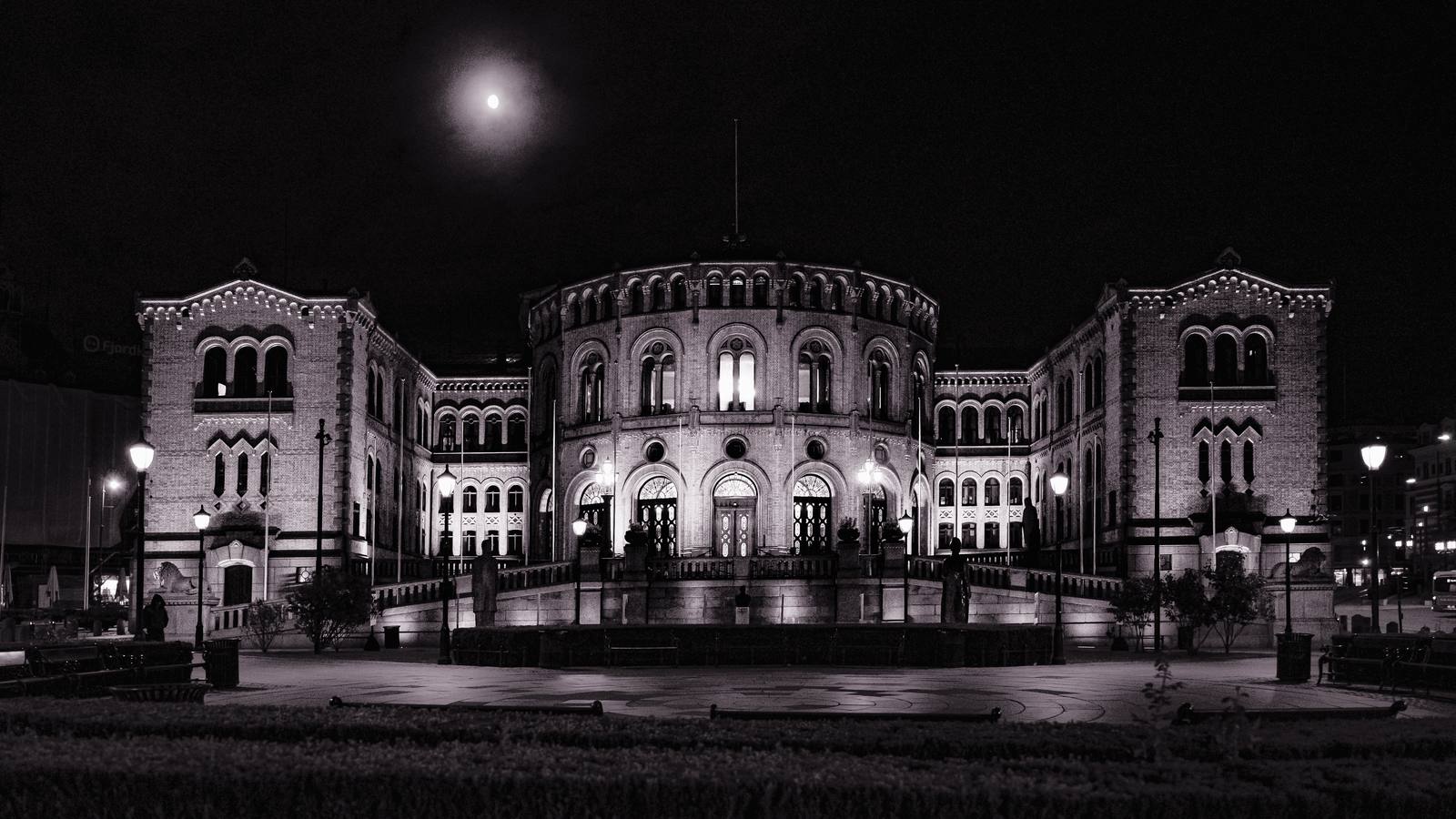
OSLO: Two documents define Norwegian petroleum policy this month. One is the Ministry of Energy's announcement that 21 companies have applied for new exploration acreage under APA 2026. The other is the government's budget white paper, which sets out the 3 percent spending path for the oil fund and a course of gradual fiscal adjustment.
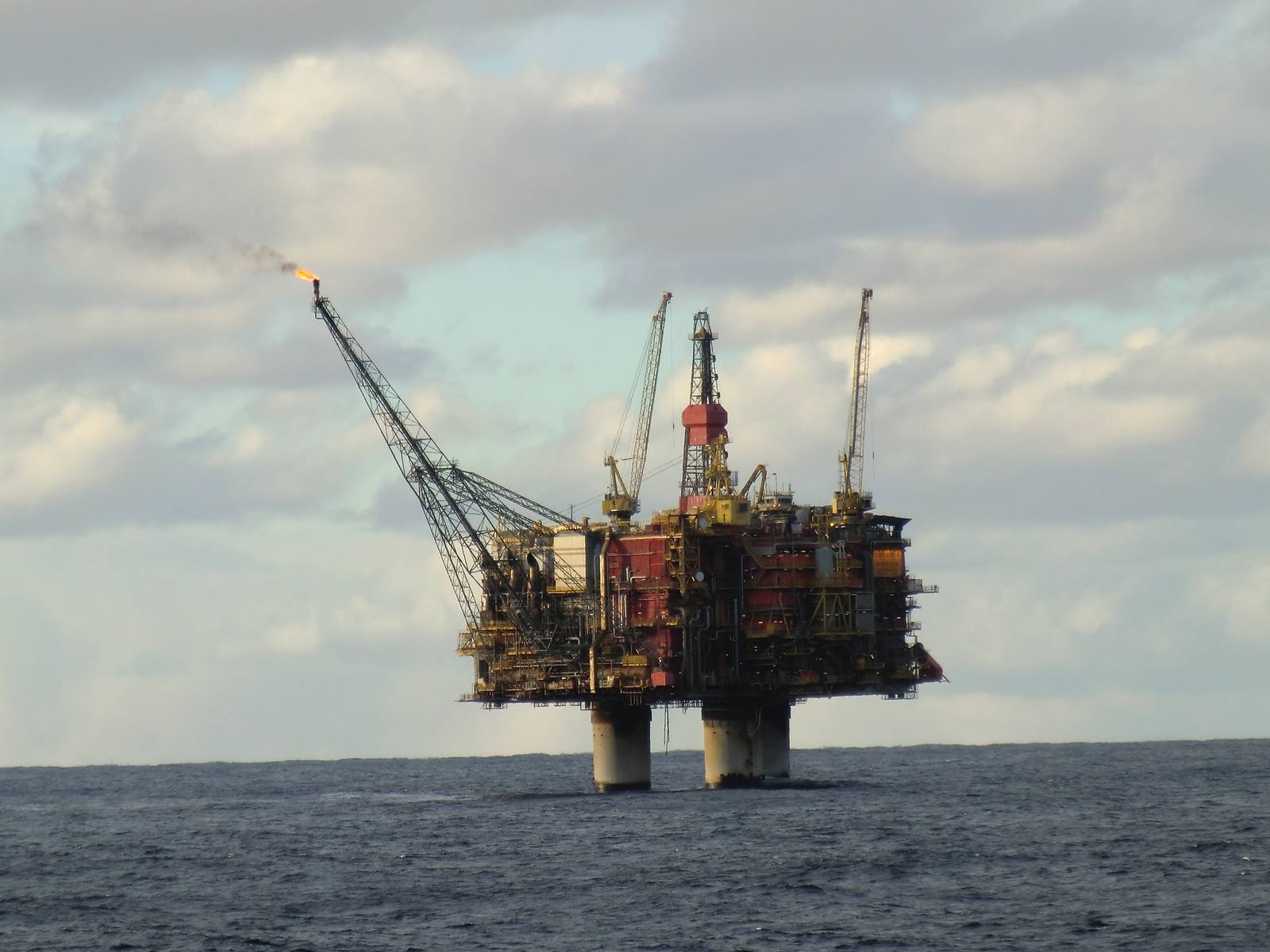
The pairing is the Norwegian model in miniature: license the search for new resources, and bind the spending of the proceeds that result. The APA round expands the predefined area by 70 blocks or parts of blocks across the North Sea, the Norwegian Sea and the Barents Sea, with awards targeted for early 2027.

The fiscal framework constrains what any discoveries can buy. The white paper's 3 percent path governs the structural non-oil deficit, which is the amount of petroleum revenue the state may spend each year. Gradual adjustment means the spending room moves slowly, even when the fund's value moves fast.
The numbers show why the frame matters. The oil fund reported a first-half return of 9.4 percent this year, with an accounting return of 1,753 billion kroner, and the fund's value stood at 22,683 billion kroner at the end of June. Under the spending rule, only a fraction of such a year can flow into the budget.
For the companies on the APA applicant list, which includes Equinor, Aker BP, ConocoPhillips, TotalEnergies and a returning Shell, the fiscal frame is a feature, not a bug. Predictable taxation and stable spending rules are part of what the Ministry sells when it markets the shelf.
The tension the Storting will manage is the same one the Melkøya vote exposed in February: the state wants both the emissions cuts and the export revenues, the grid capacity and the industrial power demand. The licensing round and the white paper are the two instruments it uses to hold both at once.
None to date. The Tribune corrects errors promptly and transparently. Read our corrections policy.