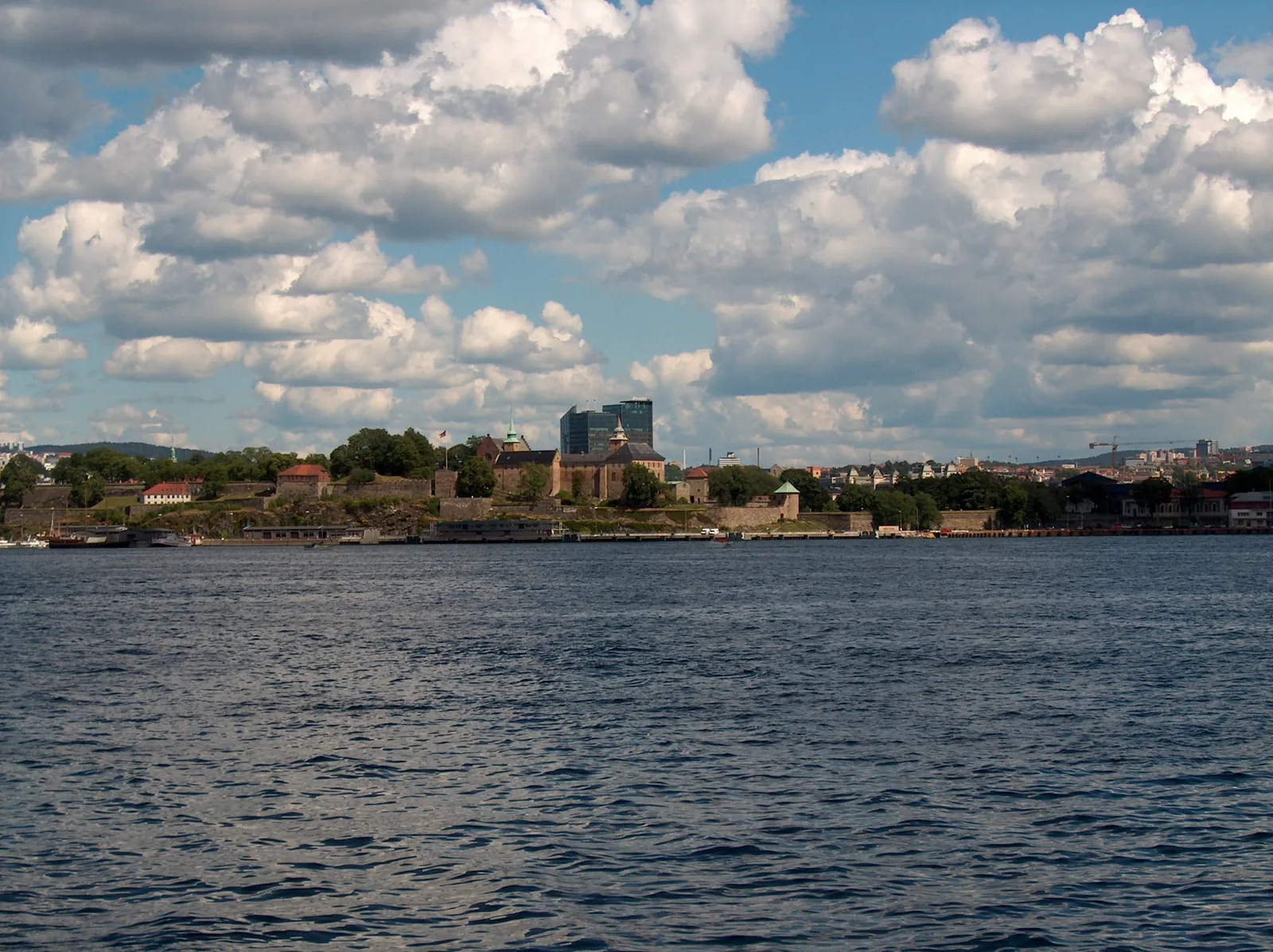
HMS Prince of Wales reaches Oslo after a fog delay and a first overseas ammunition load
Fog in the Oslofjord turned the British carrier group back on Friday, Nov. 6. It reached Oslo on Saturday to host two security conferences, closing a Firecrest phase in which a Norwegian jetty gave a Queen Elizabeth class carrier its first ammunition load outside Britain.
OSLO: HMS Prince of Wales reached Oslo on Saturday, Nov. 7, a day later than planned, after fog in the Oslofjord forced the carrier group to turn back on Friday. The Norwegian Armed Forces, which had announced the sailing for Friday, Nov. 6, updated their release to say the group had turned around in poor visibility and that the entry to Oslo was postponed to Saturday morning.
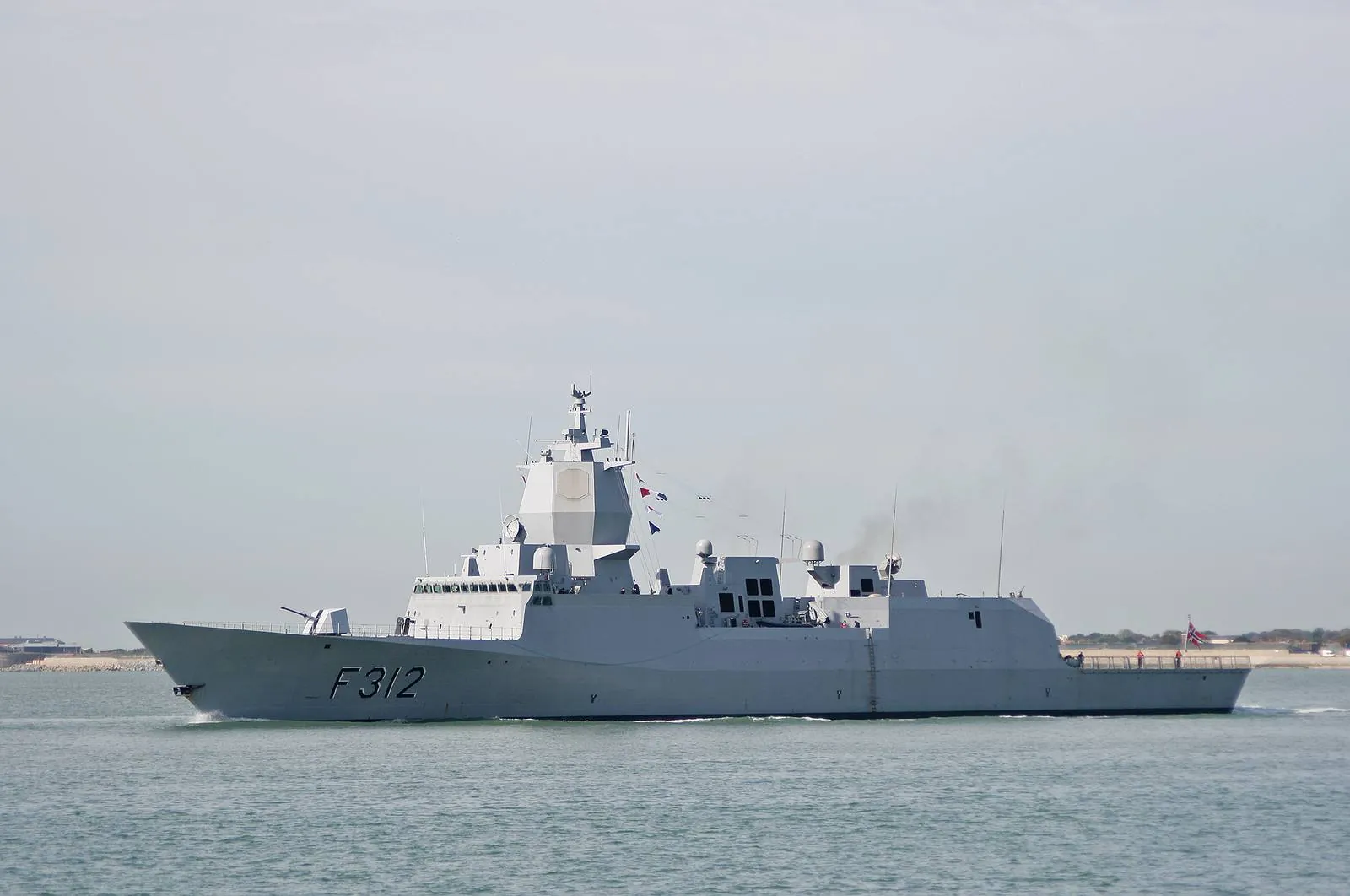
The carrier came in escorted by the British destroyer HMS Dauntless, the Norwegian frigate KNM Fridtjof Nansen and the coast guard vessel KV Nornen, the Armed Forces said. Personnel from the Home Guard and the Navy provide force protection while the carrier lies in Oslo, and parts of Festningskaia by Akershus Fortress have been closed since Thursday, Nov. 5.
A first at a Norwegian jetty
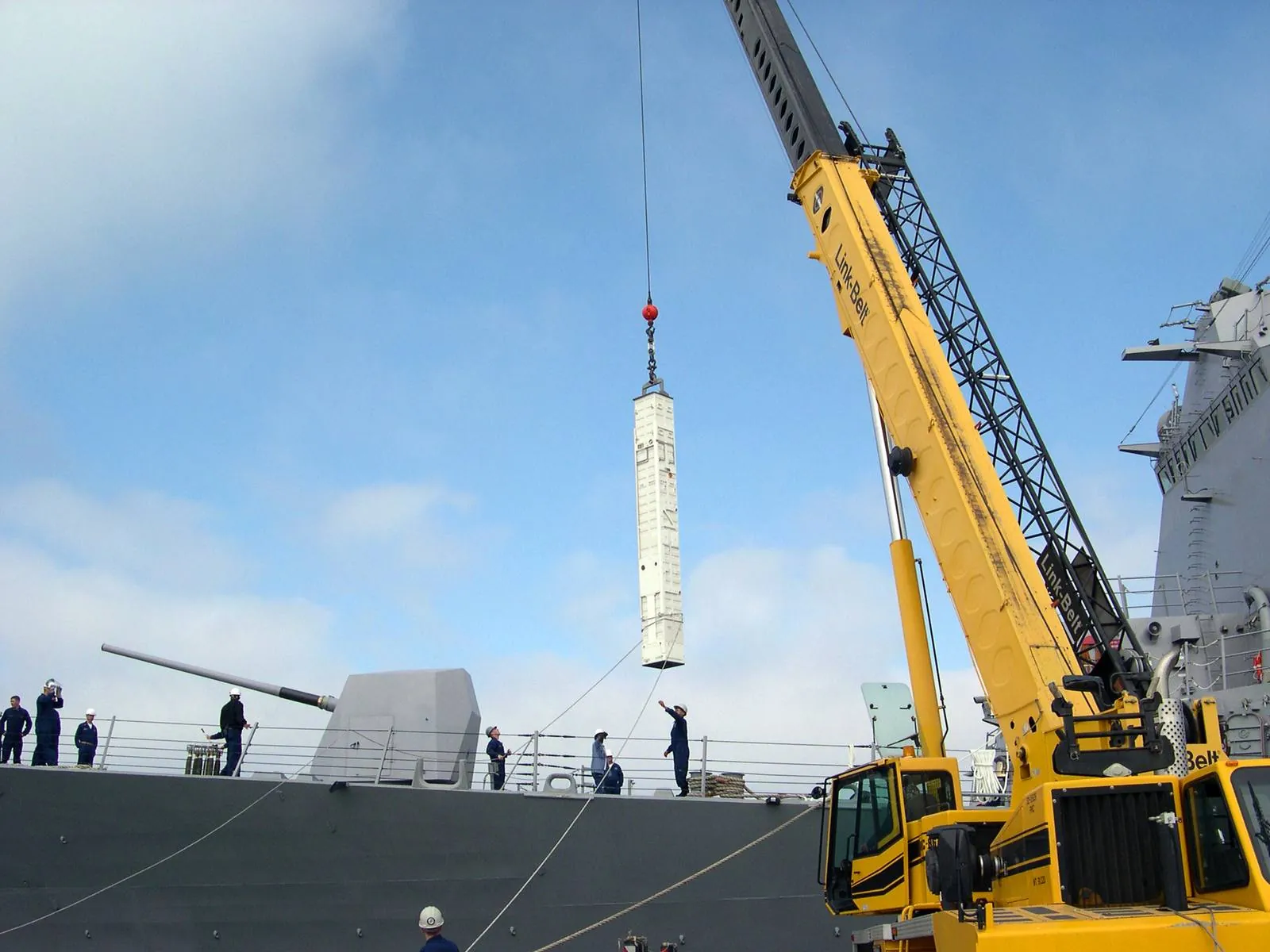
Earlier in the deployment, the carrier took on ammunition at Hammernesodden, a military jetty near Namsos, about 70 miles north of Trondheim. The Royal Navy said no Queen Elizabeth class carrier had loaded ammunition in a port outside the United Kingdom before, and that the option matters when a solid support ship such as RFA Fort Victoria is not available to resupply the group. Norway's Home Guard secured the loading, with boats patrolling the fjord and armed positions set up on the jetty.
After the resupply, the group shifted to NATO work in Neptune Strike 26-4, which the Royal Navy put at 17 nations, 20 warships and 40 aircraft across three task groups, two of them in the Mediterranean under Italy and Turkey and the third under HMS Prince of Wales off Norway. During the exercise the carrier's F-35B jets intercepted a Russian Tu-95 Bear long-range bomber, and earlier in the phase the carrier's jets flew with Norwegian Air Force F-35As escorting a US B-52 bomber.
Talks aboard, restrictions ashore
The port stay is built around two gatherings on board the carrier: the Atlantic Future Forum and the International Sea Power Conference, where military and political leaders meet to discuss the security of northern Europe, the Armed Forces said. The Royal Navy said the First Sea Lord, General Sir Gwyn Jenkins, leads its involvement in the events.
Vice Admiral Rune Andersen, chief of the Armed Forces' operational headquarters, said in the release that carrier operations along the Norwegian coast matter for a credible defence of Norway and of NATO, and that the allies plainly treat the northern areas as an important arena for their operations and exercises. For the public, the visit brings a heavier military presence in the capital, military exclusion zones around the berth, and an air restriction area in the inner Oslofjord: no aircraft, drones included, may operate within one nautical mile of military vessels, up to 3,000 feet, and boaters must keep at least one nautical mile from the carrier while it sails and while it is anchored.
The visit closes the second phase of Operation Firecrest, the Royal Navy's 2026 deployment built around operating a fifth-generation carrier in Arctic and sub-Arctic waters and defending the North Atlantic, including the Iceland-Greenland-UK gap. The carrier sails with F-35 jets in its air group, plus Wildcat helicopters, Malloy drones and two Merlin variants, the Mk4 Commando and the Mk2 built for anti-submarine work, and more than 1,200 British personnel are deployed with the strike group, which is commanded by Commodore Richard Hewitt.
"I am delighted to return to the Arctic and North Atlantic as we build on the successes of the first phase of Op Firecrest," Commodore Hewitt said when the phase began.
None to date. The Tribune corrects errors promptly and transparently. Read our corrections policy.