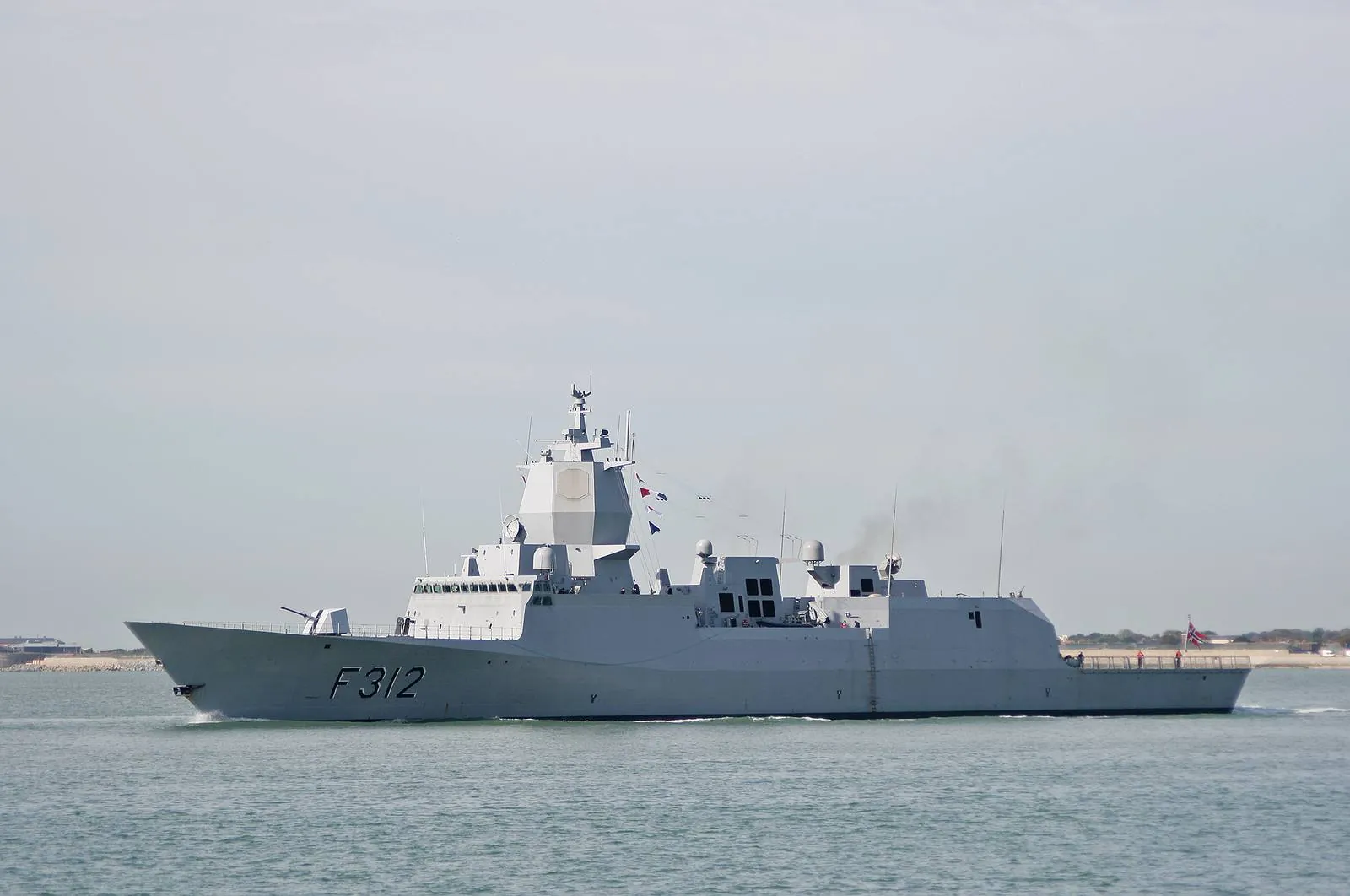
Ten JEF navies sign a closer cooperation pact aboard the carrier in Oslo
Representatives of all ten Joint Expeditionary Force maritime nations signed the Northern Navies Initiative aboard HMS Prince of Wales in Oslo on Tuesday, Nov. 10, committing their fleets to shared methods, joint planning and interchangeable equipment across the North Atlantic, the High North and the Baltic Sea.
OSLO: Norway and its nine partners in the Joint Expeditionary Force (JEF) have signed a new naval cooperation agreement in Oslo, in a signing held aboard the British aircraft carrier HMS Prince of Wales on Tuesday, Nov. 10.
The agreement, called the Northern Navies Initiative, was signed during the International Sea Power Conference, which the carrier is hosting in the capital this week. The UK Ministry of Defence said representatives of all ten JEF maritime nations put their names to it, with First Sea Lord General Sir Gwyn Jenkins signing for the Royal Navy.

Norway is one of the ten JEF nations. The grouping is led by the United Kingdom and brings together northern European countries that already train and plan together outside the larger NATO structure.
Working as one fleet, in practice
The point of the pact, as the ministry describes it, is practical interoperability rather than a new alliance. The ten navies commit to operating in the same way, training to a common standard and drawing up plans together before a crisis arrives, instead of improvising once one has started.
Support between the fleets is part of the deal. A warship should be able to take on fuel, stores and repairs in a partner country's port rather than sailing home, and operational responsibility for a task could pass from one nation's frigate to another's without the mission losing pace.

Equipment is to be made compatible from the design stage. In the ministry's account, that extends to the uncrewed vessels now entering service, which are intended to connect into one another's command and control systems so the ten fleets can bring large numbers of platforms to bear in a coordinated way.
A vanguard role beside NATO
The initiative is also meant to position the JEF as the maritime grouping that moves first in the North Atlantic, the High North and the Baltic Sea, acting early in a crisis and, if the alliance mobilises at scale, passing into NATO command without friction. NATO, the ministry said, continues to supply the standards, plans and framework for collective defence underneath that role.
The stated threat picture is activity that stays below open armed conflict: danger to undersea cables and pipelines, interference on the seabed and other forms of hybrid pressure. Jenkins, in remarks reported by the ministry after the signing, pointed to nine months of work behind the agreement and said the threats facing the member countries are multiplying.
Tuesday's signing carries out a statement of intent that Jenkins put forward in London in April 2026, according to the ministry.
Atlantic Net, announced the same day
The same conference brought a second announcement with a direct bearing on northern waters. The ministry said a framework with the Hampshire based company Ocean Infinity Solutions will pave the way for 90 million pounds of investment in Atlantic Net, a network of autonomous systems and advanced sensors intended to spot hostile underwater activity sooner and give submarine hunting warships and Astute class submarines earlier warning of threats.
Atlantic Net is the first phase of the wider Atlantic Bastion programme, the Royal Navy's plan for a hybrid force of crewed and uncrewed vessels guarding the underwater infrastructure, including communications cables and energy networks, that connects and powers the UK and its allies. The ministry said the framework will support almost 200 skilled jobs at the company and across its immediate supply chain.
Ocean Infinity confirmed in its own release on Tuesday, Nov. 10, that it has been selected as the programme's Commercial Mission Partner. Under the Northern Navies release, the Royal Navy expects the first phase of Atlantic Net to enter operation within months, and says JEF and NATO allies will also benefit from the clearer underwater picture it produces.
None to date. The Tribune corrects errors promptly and transparently. Read our corrections policy.