Norway and its EFTA partners sign the Viet Nam free trade agreement in Hanoi
The signing on Sunday closes a negotiation launched in 2012. About one in two of the goods Norway sells to Viet Nam loses its tariff the day the deal takes effect, and salmon, now taxed at up to 15 percent, enters duty-free from day one.
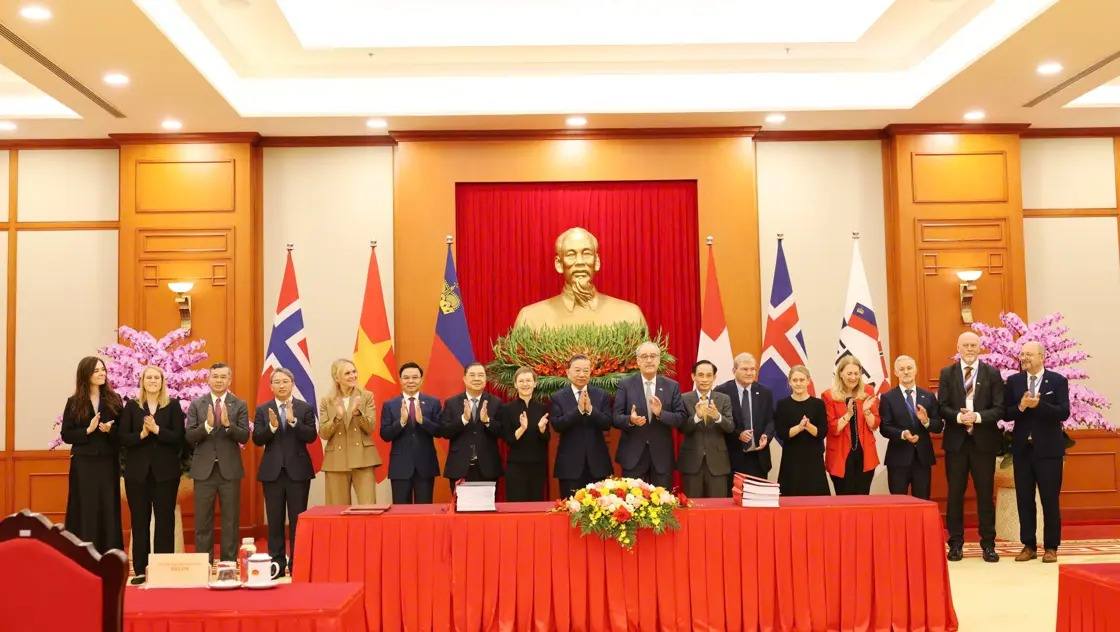
HANOI: Norway and the other EFTA states, Iceland, Liechtenstein and Switzerland, signed a free trade agreement with Viet Nam in Hanoi on Sunday, Oct. 18, the Norwegian government and Viet Nam's Ministry of Industry and Trade both announced. Viet Nam's Minister of Industry and Trade Le Manh Hung signed for Viet Nam, with To Lam, the country's Party General Secretary and State President, in attendance, and State Secretary Astrid Bergmål represented Norway's Ministry of Foreign Affairs among the EFTA signatories, the ministry in Hanoi reported.
Foreign Minister Espen Barth Eide set the signing in a wider push to spread Norway's trade ties. "In a more unpredictable world, Norway needs to diversify its trade relations," he said in the government's statement, noting that Norway has signed seven new free trade agreements since the government took office. "The agreement with Viet Nam opens new opportunities for Norwegian businesses and strengthens trade relations with a country that shares our commitment to rules-based trade."
For Norwegian exporters the practical core is the tariff schedule. It starts the day the deal takes effect, when duties fall away on roughly one in two of the goods Norway sells to Viet Nam, and it tightens over the following seven years until more than 98 percent of those goods cross duty-free; at the end of the process, duties are gone on nearly everything. The trade at stake is already substantial: goods worth around NOK 19 billion moved between Norway and Viet Nam in 2025, the government says, and the EFTA Secretariat puts two-way goods trade between the four EFTA states and Viet Nam at EUR 4.8 billion in the same year.
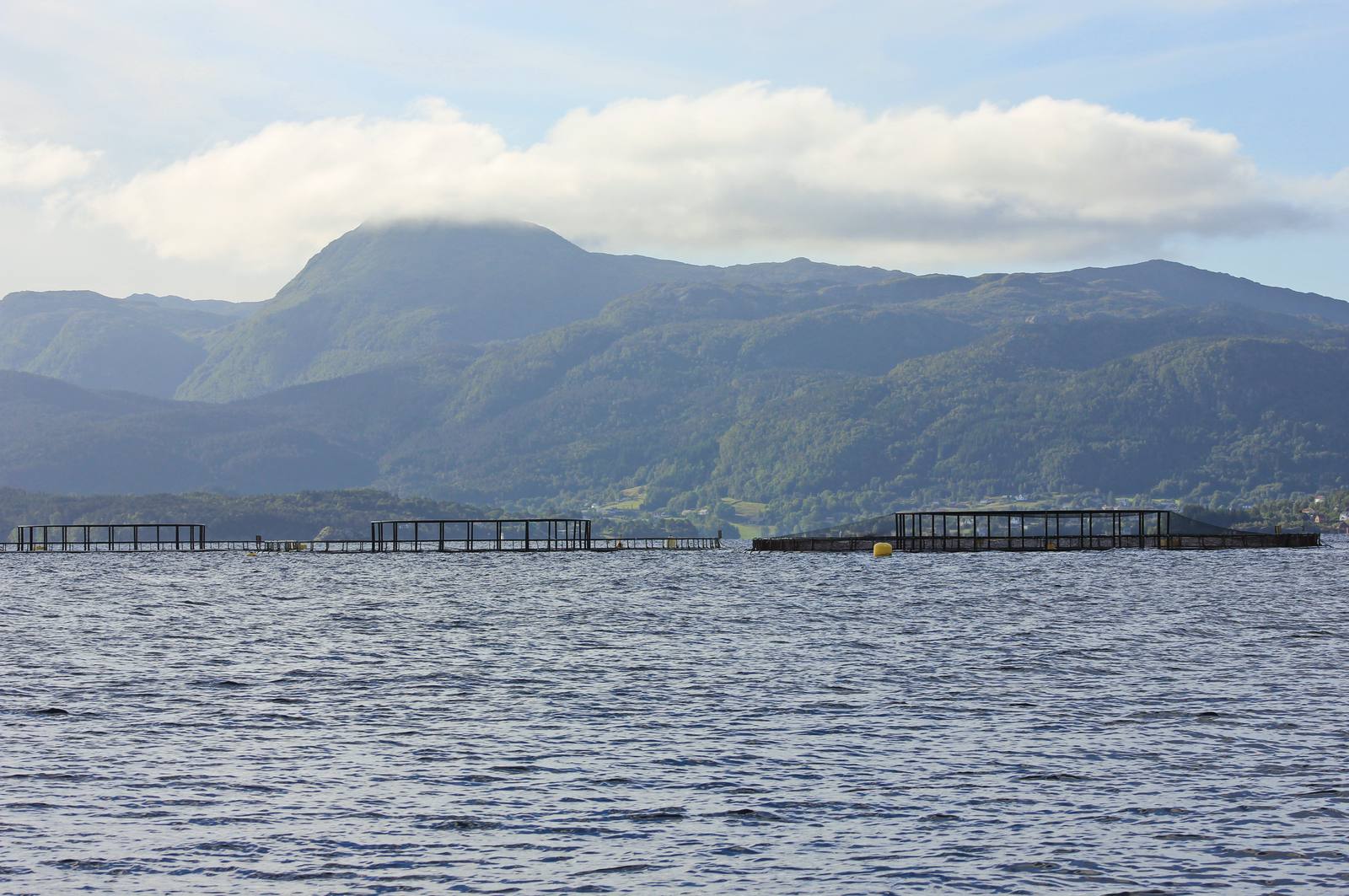
Seafood is the clearest early winner. Vietnamese duties on Norwegian salmon and mackerel run as high as 15 percent today. Salmon loses its duty entirely on day one; mackerel takes a slower path, with its duties disappearing over three years. "The agreement will give Norwegian seafood exporters conditions on a par with those enjoyed by key competitors and create opportunities for increased seafood exports to Viet Nam," said Minister of Fisheries and Ocean Policy Marianne Sivertsen Næss. Minister of Trade and Industry Cecilie Myrseth called Viet Nam "one of the fastest-growing economies in Asia" and said the agreement gives Norwegian businesses better market access and greater predictability.
The agreement reaches well beyond goods. Both the EFTA Secretariat and Viet Nam's trade ministry describe a wide-ranging pact: services and investment sit alongside chapters on buying by governments, protection for ideas and brands, help for smaller companies, food safety and plant health rules, and sustainable development. Its signing ends a long road: negotiations were launched in Hanoi on July 2, 2012, ran for 16 rounds until they slowed in 2018, were relaunched on Sept. 8, 2025 for five additional rounds, and concluded on July 2, 2026, according to the EFTA Secretariat.

None to date. The Tribune corrects errors promptly and transparently. Read our corrections policy.