Norway among 38 countries warning of a rising nuclear incident risk in Ukraine
Radiation protection authorities in 38 countries, including Norway, warned on Nov. 16 that attacks on Ukraine's power grid are raising the risk of a nuclear incident, days after the IAEA reported another total loss of off site power at Zaporizhzhia.
OSLO: Radiation protection authorities in 38 countries, including Norway, warned on Monday, Nov. 16 that the risk of a nuclear incident at Ukraine's nuclear power plants is rising, citing Russia's rapid and increasingly precise attacks on Ukrainian infrastructure.
The Minister of Health and Care Services, Jan Christian Vestre, said the warning is a reminder of the serious situation Europe is in, put the risk of a nuclear accident in Europe at its highest in 40 years, and emphasised that the situation in Ukraine has no immediate consequences for Norway, according to the Government's account of the joint warning.

How a grid collapse becomes a nuclear risk
The Government's account sets out the mechanism the authorities fear. Attacks on Ukraine's energy system, carried out with faster and increasingly precise drones, raise the risk of a total collapse of the country's power grid. A plant that loses grid power may be unable to cool its reactors, which would increase the risk of a serious nuclear incident.
The International Atomic Energy Agency (IAEA) described the same pressure in its Director General statement of Nov. 14. Grid instability caused by military activity led to reductions of power at some operating units at Ukrainian nuclear plants that week, and fluctuations in the grid automatically activated emergency diesel generators for several facilities within the Chornobyl exclusion zone.
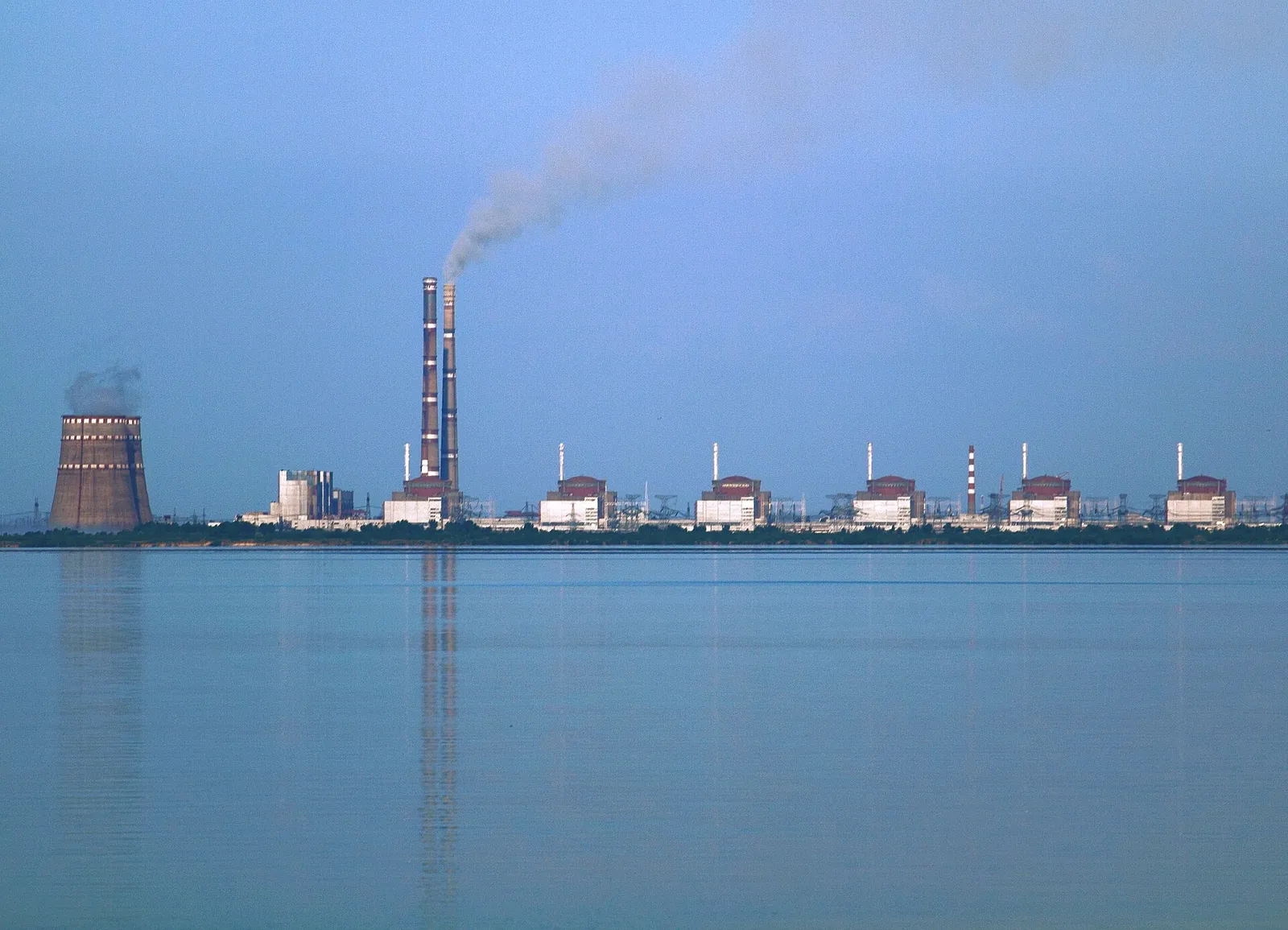
At the Zaporizhzhia plant, damage to the Ferosplavna-1 power line, a 330 kilovolt line, cut the plant off from all off site power for over 12 hours on Nov. 8. Four emergency diesel generators started automatically to power essential safety systems, before the plant moved to two generators to conserve diesel fuel. The agency counts that as the 27th complete loss of off site power at the plant since the start of the conflict, and notes that the plant has relied on that single off site line since late March.
The agency also reported 161 air raid alarms across Ukraine's nuclear sites that week, with its teams at the Khmelnytskyy and Rivne plants having to shelter, and its Director General, Rafael Mariano Grossi, called for an end to all military activity directed at the power infrastructure on which nuclear safety and security depend.
Preparedness in Norway
Vestre emphasised that Norway has built up significant preparedness for an incident elsewhere in Europe. The Government says its nuclear emergency preparedness, built up since the Chornobyl accident in 1986, is robust and effective: Norway would learn of an accident quickly and could put pre-planned measures into effect at short notice.
What Norway would do would depend on the size of any release and on whether fallout is carried to Norway by wind. The Government says a nuclear accident could lead to radioactive fallout in Norway, with consequences primarily for agriculture and food production.
None to date. The Tribune corrects errors promptly and transparently. Read our corrections policy.