The oldest ice is melting, and the Stone Age is coming out of it
Forty-eight prehistoric arrows recovered from Jotunheimen this season, the oldest six millennia old. The finds get older because the ice they come from is older, and it is disappearing.
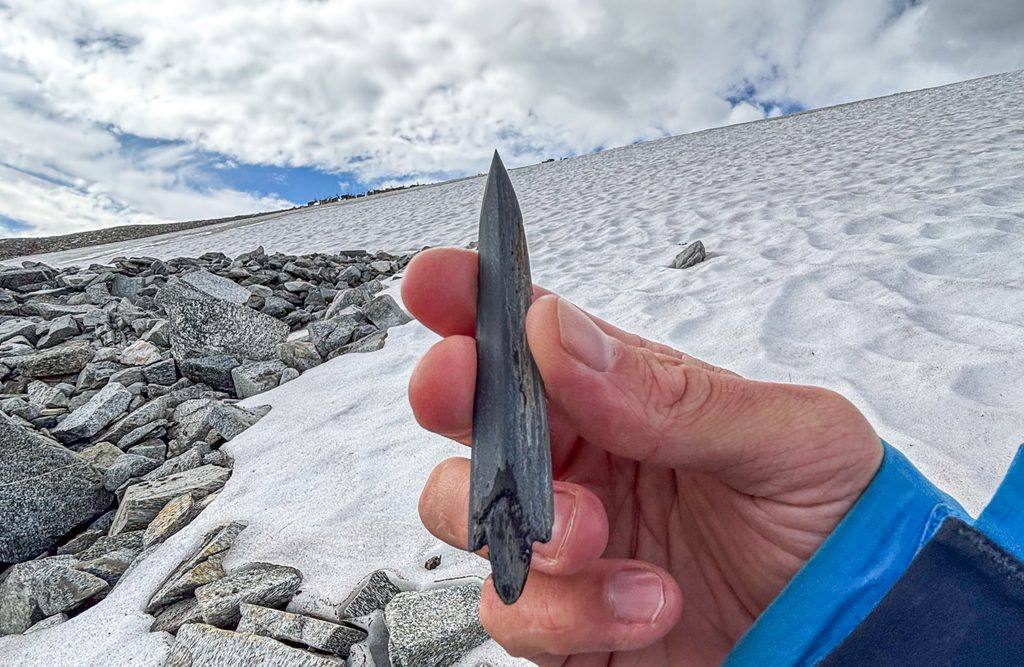
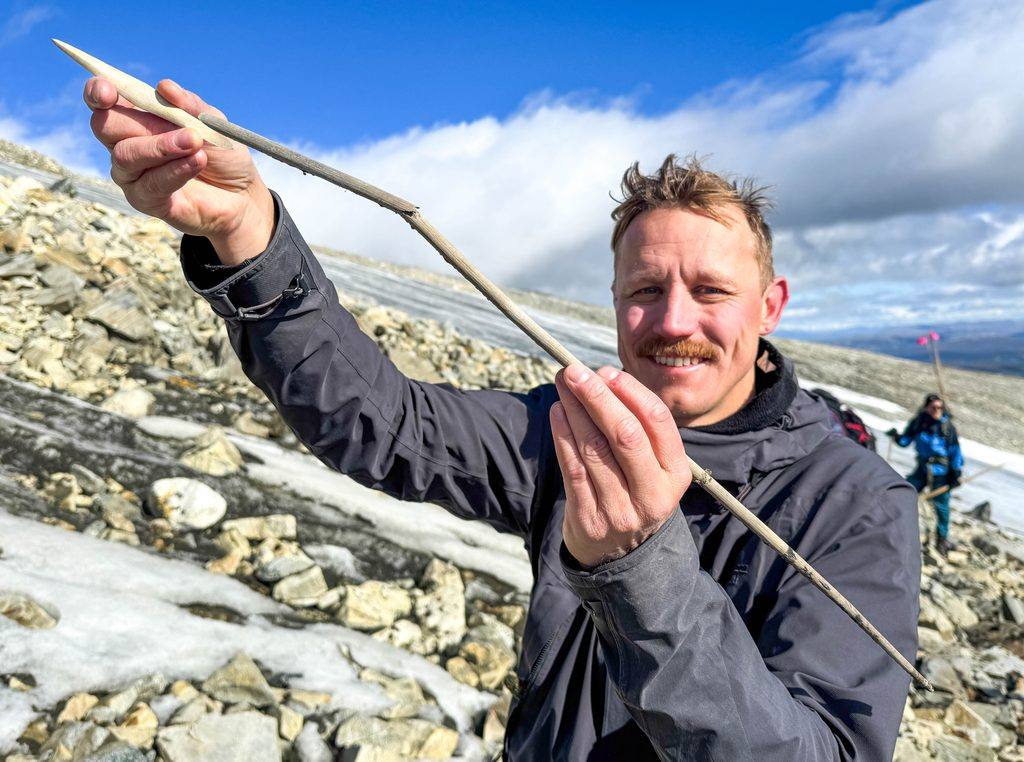
JOTUNHEIMEN: Archaeologists from Innlandet County Municipality's Glacial Archaeology Programme, known as Secrets of the Ice, have recovered 48 prehistoric arrows from melting mountain ice in Jotunheimen this season. Among the oldest is an arrow with a slate arrowhead and wooden shaft, believed to be 5,000 to 6,000 years old.
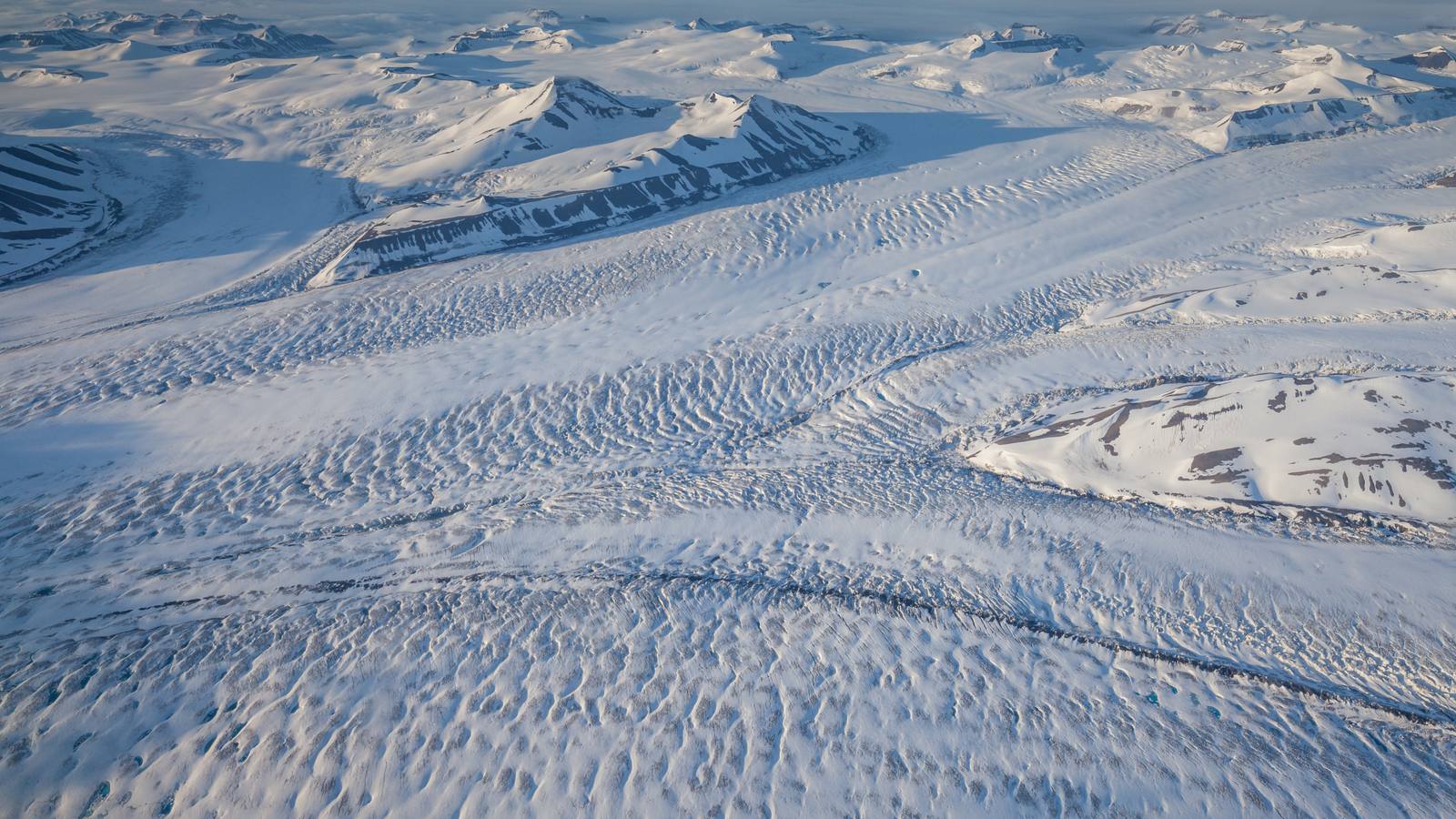
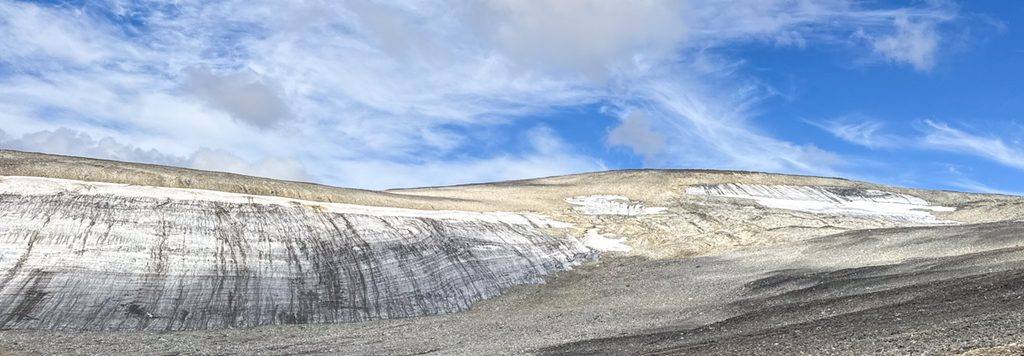
The work concentrated on the Kvitingskjølen mountain area, at the Langfonne, Storfonne and Handklefonne ice patches, during three weeks of fieldwork. The team reports that ice is disappearing much faster than expected, and that large areas recently covered by ice are now ice-free.
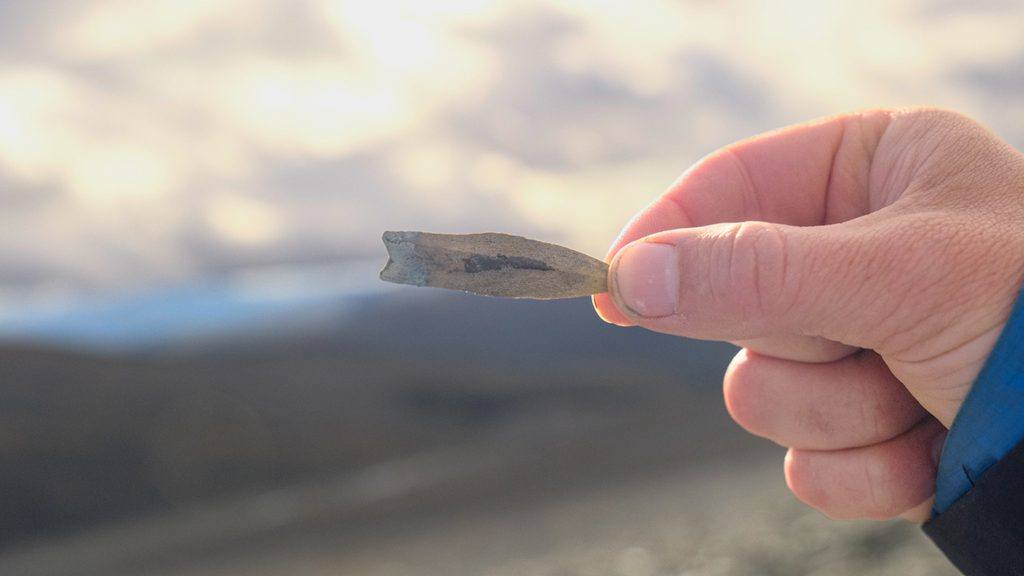
The pattern of the finds has changed. When the programme began in 2006, most recovered objects were less than 2,000 years old, with Viking Age finds especially common, and objects older than 2,000 years relatively rare. Now the finds melting out of the ice are increasingly older than 2,000 years, with many dating to the Stone Age and Bronze Age. The oldest finds from the wider programme date back more than 6,000 years.
The connection is direct: the oldest ice contains the oldest finds. Langfonne, once a large ice patch, has split into several smaller patches, and the team expects it to be completely gone within 20 years.
What makes the ice finds special is the preservation of organic materials, wood, hide, sinew and textiles, which would normally decay. Once exposed, those materials start to decay, so every field season is a race. This year's recoveries include a bone arrowhead about 5,000 years old found with parts of its shaft beside the ice, and an arrowhead of freshwater mussel shell about 3,600 years old that has begun to split.
This year marks 20 years of glacial archaeology in Innlandet. Since 2006, the programme has recorded 73 archaeological sites and recovered more than 5,000 artefacts. Some of this season's finds are already on public view in a refrigerated fresh-finds display at the Norwegian Mountain Centre in Lom.
None to date. The Tribune corrects errors promptly and transparently. Read our corrections policy.