What the Svalbard Treaty actually bans
Article 9 prohibits naval bases, fortifications and warlike use. It does not make the archipelago fully demilitarized, whatever the shorthand says.
LONGYEARBYEN: The Svalbard Treaty is 106 years old this year, and its most argued-over article is Article 9. The provision prohibits the establishment of naval bases and fortifications on the archipelago and forbids its use for warlike purposes.
That is a specific prohibition, not a general demilitarization. Legal analysis of the treaty distinguishes between the ban on naval bases, fortifications and warlike use, and the broader claim that Svalbard is a demilitarized zone. The shorthand gets repeated; the text is narrower.
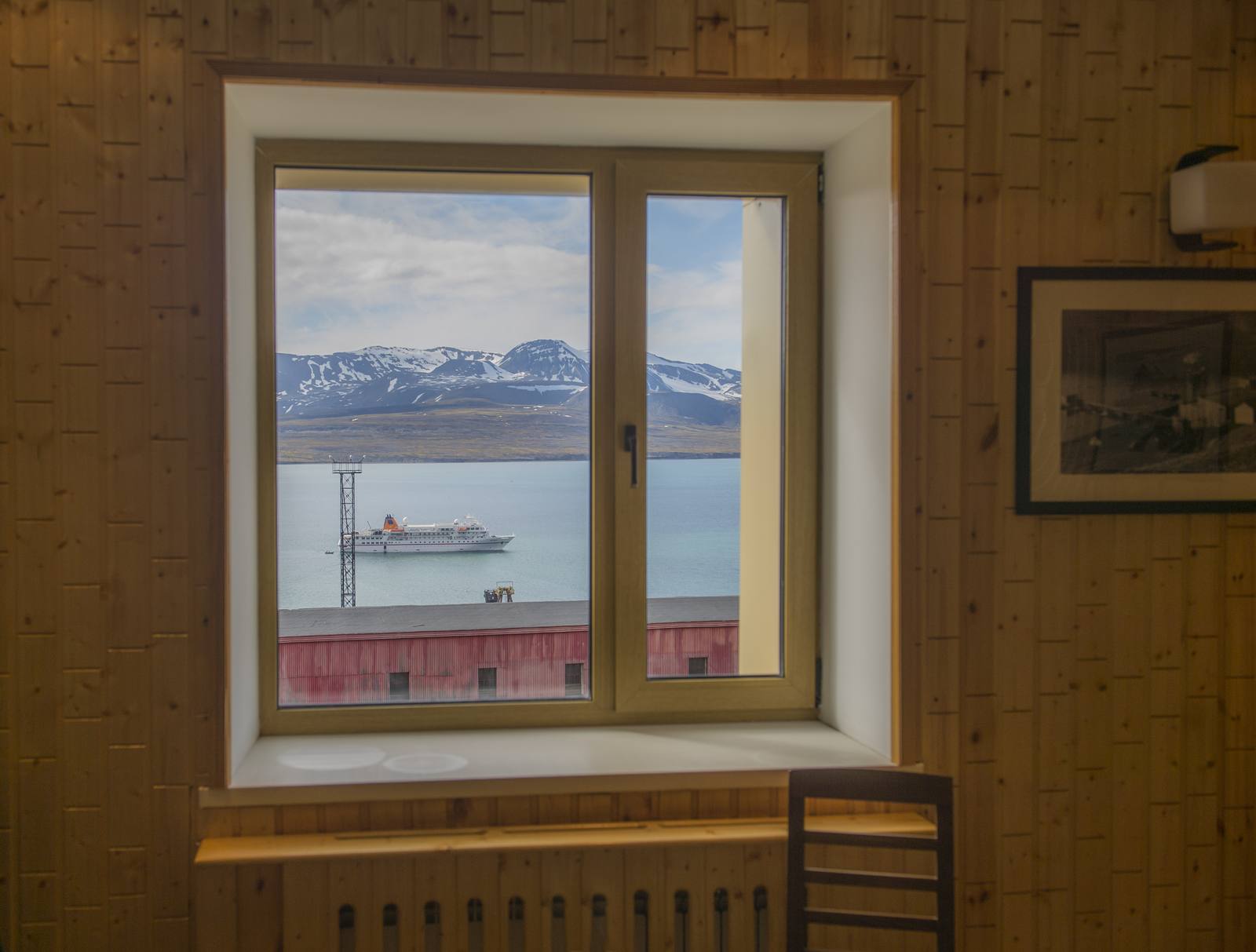
The distinction matters because the archipelago keeps appearing in security arguments. The treaty's regime grants Norway sovereignty while giving all parties equal rights of access and economic activity, a combination that has produced a century of legal argument about what the sovereignty covers.
Recent years have added pressure to the old text. Increased military activity in the Arctic, cited in the European Commission's ongoing Arctic policy review, has made the treaty's security provisions a live question again.
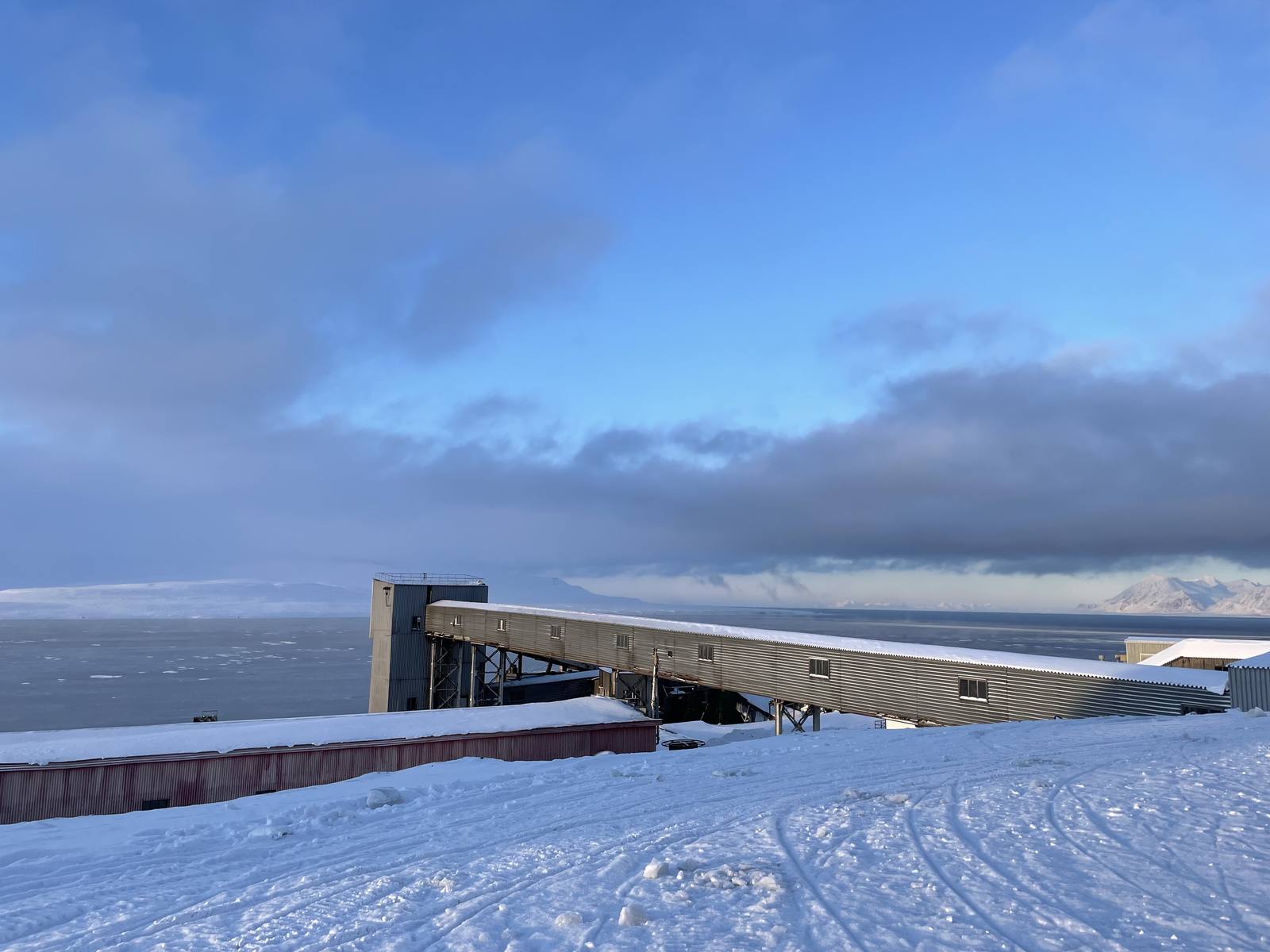
Norway's position, restated over decades, is that the treaty is respected and enforced, and that the archipelago's regime functions as written. The seed vault's mountain, the coal settlement at Barentsburg, the research stations at Ny-Ålesund: all operate inside the same legal frame.
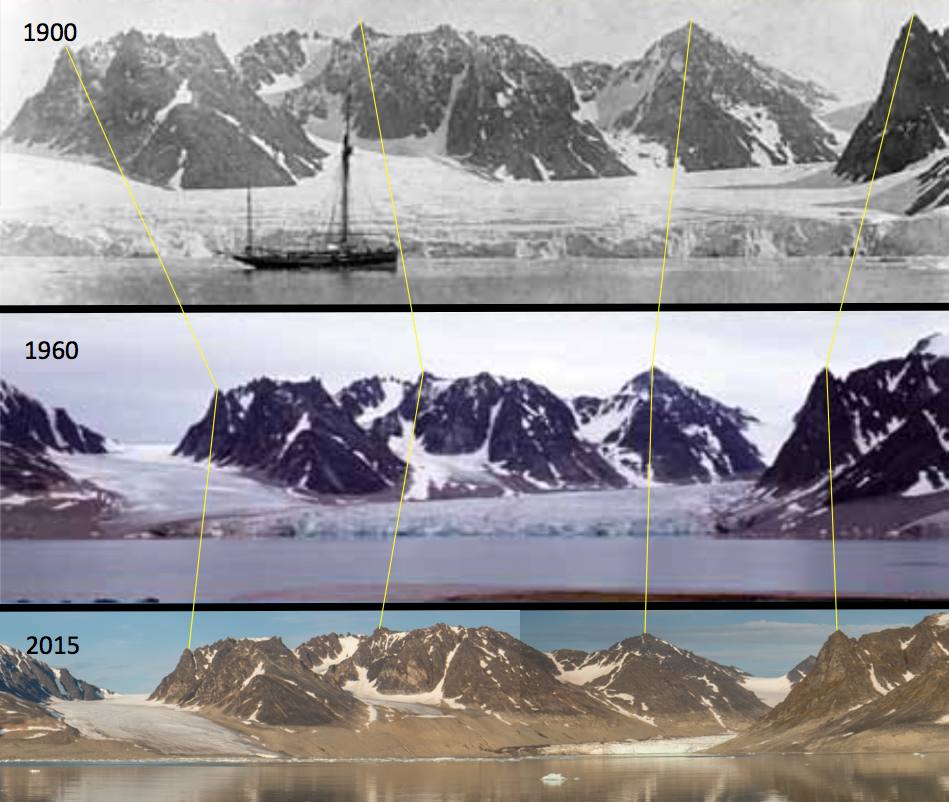
For readers encountering the treaty for the first time, the rule is simple: read Article 9 as a ban on naval bases, fortifications and warlike use, and treat every claim beyond that as an argument, not a quotation.
None to date. The Tribune corrects errors promptly and transparently. Read our corrections policy.