World court finds Myanmar committed genocide against the Rohingya, as Norway calls the ruling extremely serious
The International Court of Justice ruled on Thursday, Nov. 19, that Myanmar committed genocide against the Rohingya in 2017 and failed to prevent and punish it, ordering legislation, prosecutions, restitution and compensation. Norway's foreign minister called the ruling extremely serious and an important recognition of the injustices suffered.
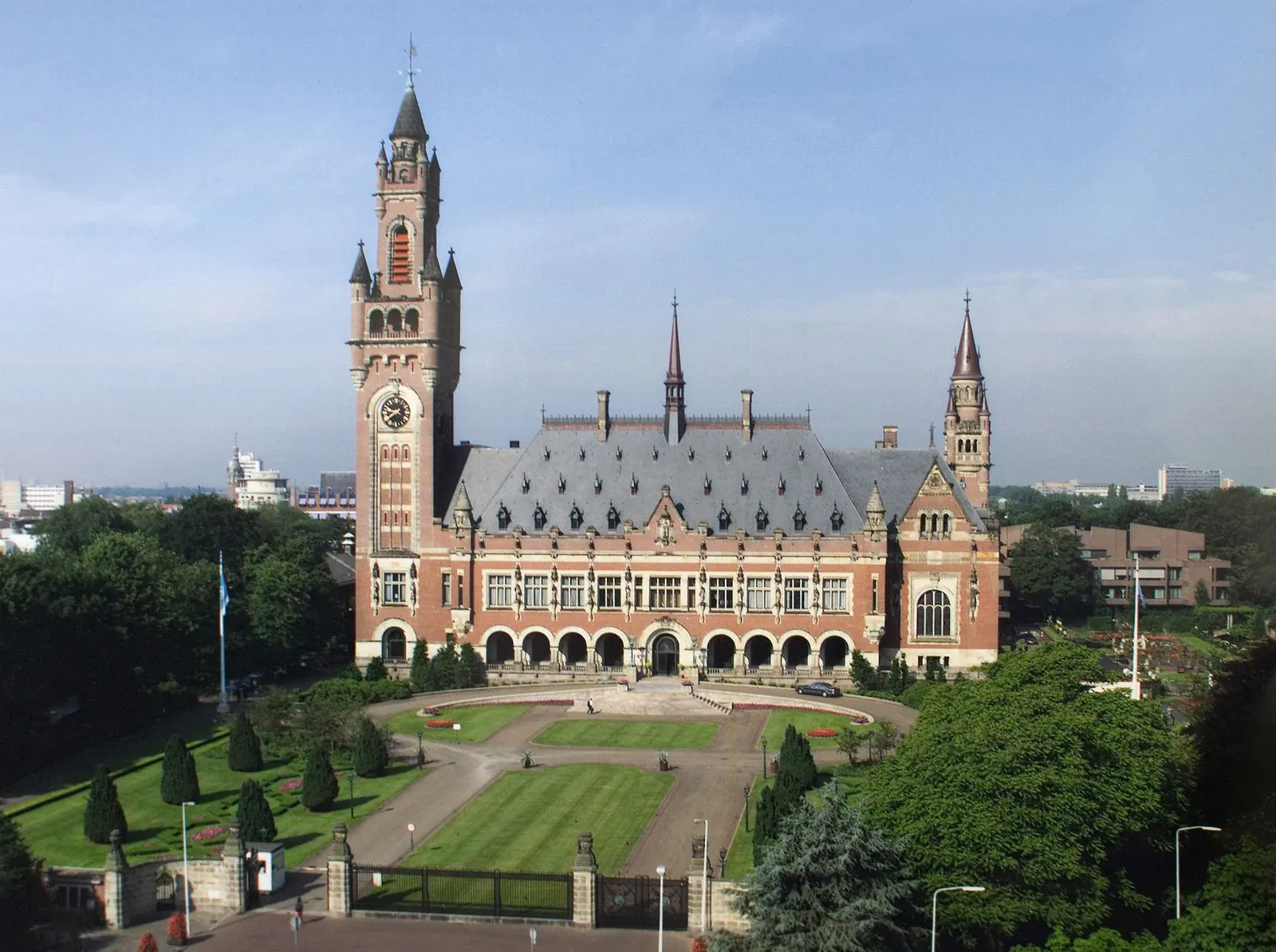
THE HAGUE: The International Court of Justice concluded on Thursday, Nov. 19, that Myanmar committed genocide against the Rohingya in 2017, violating its obligations under the Genocide Convention, in a judgment that closes the case The Gambia brought against Myanmar in November 2019.
Norway's Ministry of Foreign Affairs summarised the core finding the same day: the court held that the genocide was committed during the 2017 clearance operations in Rakhine State, against a mainly Muslim minority that the court's own account, as reported by UN News, describes as the target of extreme violence by Myanmar's military.
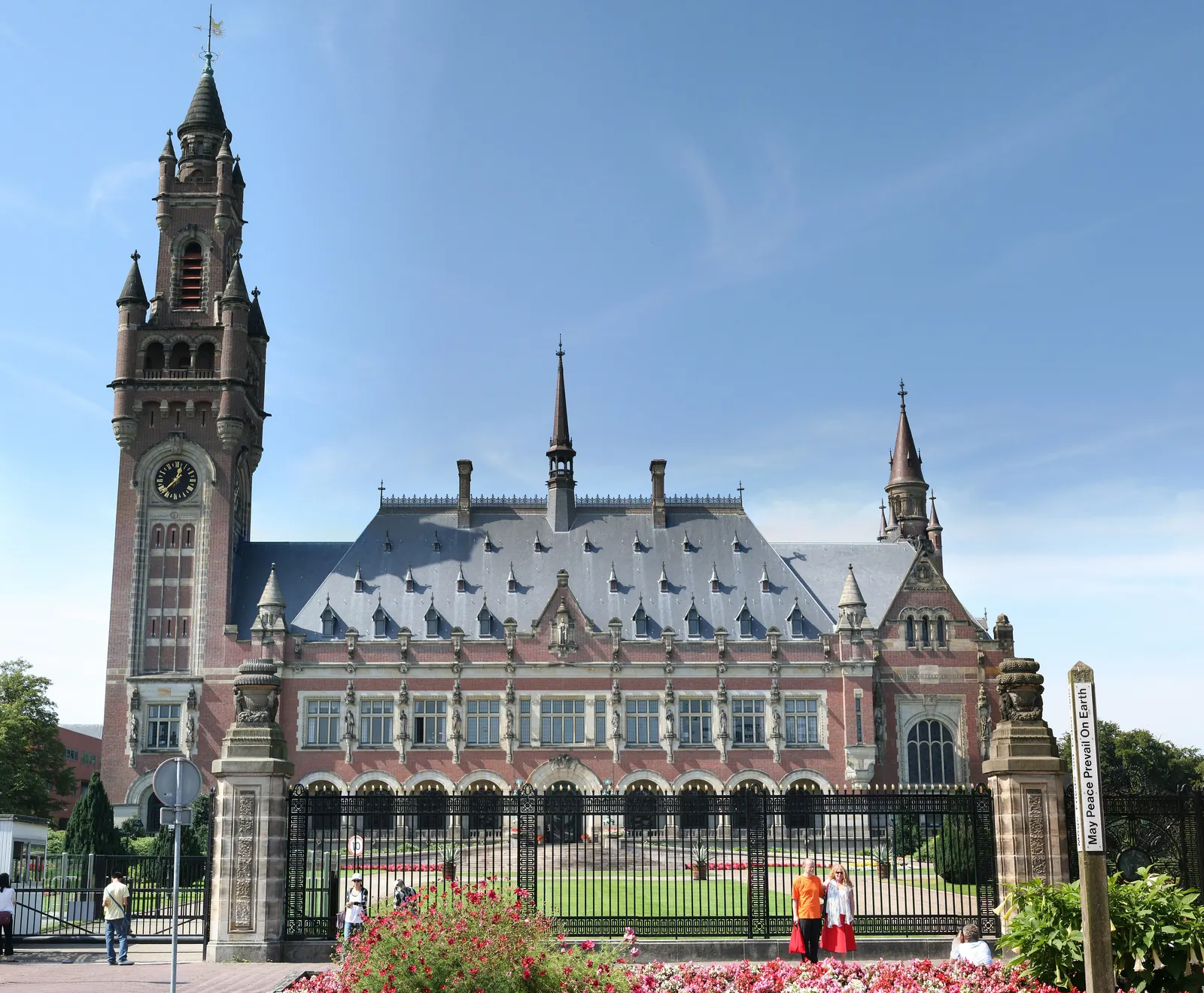
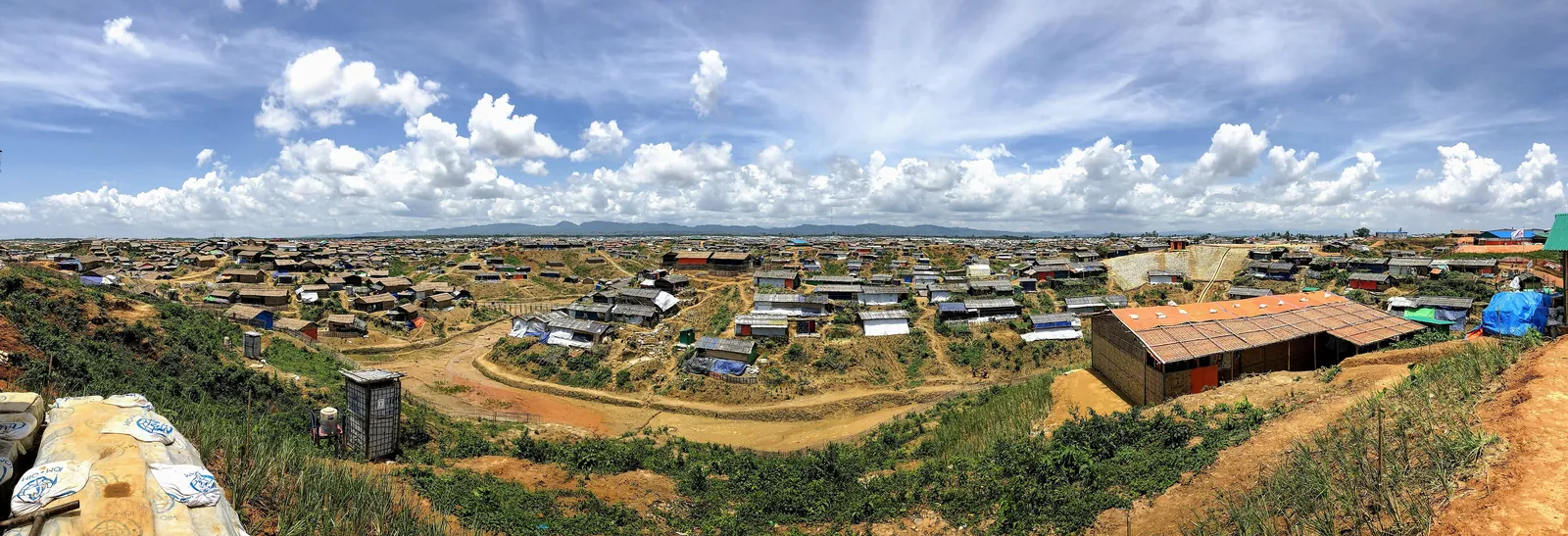
UN News, reporting the delivery of the judgment in The Hague, says the court found that Myanmar's security forces and other state organs intentionally committed acts covered by Article II of the Convention: killing members of the group, causing serious bodily or mental harm to members of the group, and imposing measures intended to prevent births within the group. It cites the court's figure of an estimated 10,000 Rohingya killed during the clearance operations, and the flight of some 700,000 Rohingya into Bangladesh.
What else the court found
Beyond the genocide finding itself, the court held that Myanmar failed in its duty to prevent genocide and to punish those responsible, and never enacted the domestic legislation the Convention requires. It also found that Myanmar had breached the court's order of January 2020, which had required provisional measures to protect the Rohingya. The UN's Independent Investigative Mechanism for Myanmar records the related point that Myanmar failed to prevent and punish genocide committed by individuals acting alongside its security forces, and that it violated the 2020 order's requirement to preserve evidence.
One allegation did not succeed. On Norway's summary, the judges were not persuaded that Myanmar itself had openly urged private individuals to commit genocide.
What Myanmar is ordered to do
The judgment orders Myanmar to cease ongoing violations of the Convention, including by enacting the necessary legislation, and to take steps to investigate and, where warranted, prosecute individuals suspected of responsibility for the prohibited acts. It also orders assurances of non-repetition, measures of restitution for the Rohingya, including the safe, voluntary and dignified return of displaced people to their homes and the reunification of families, and compensation for the damage caused.
How much compensation, and in what form, is left to a later phase. UN News and the Investigative Mechanism both record that the amount and the modalities of compensation or other reparation will be determined subsequently, and that Myanmar must report to the court within two years on the restitution measures it has adopted and on compensation. UN News notes that the judgment is final, binding on the parties and without appeal.
Norway's reaction
Foreign Minister Espen Barth Eide, in Norway's statement, called the ruling extremely serious and an important recognition of the injustices the Rohingya have suffered, after what he described as widespread abuses and persecution. He said genocide ranks among the gravest crimes in international law, that every state is obliged to prevent it and punish it, and that Thursday's judgment shows why the Genocide Convention matters and why states must answer for breaches of it.
Eide added that Oslo expects Myanmar to honour the judgment and meet its duties under international law, and that an international order built on law depends on states respecting the court and what it decides. UN News records a parallel welcome from UN Secretary-General António Guterres, who described the judgment as a powerful recognition of the Rohingya victims and a demonstration that impunity for such acts must not stand.
The case reached judgment seven years after it was filed. The Investigative Mechanism's case history records public hearings on the merits from Jan. 12 to 29, 2026, deliberations beginning on Jan. 29, and the court's announcement on Nov. 3 that judgment would be delivered on Nov. 19. UN News describes the result as the first ruling of its kind against a state, the first time the court has held a state itself responsible for genocide.
None to date. The Tribune corrects errors promptly and transparently. Read our corrections policy.