Norwegian-led UN resolution on human rights defenders passes 167 to 4, with the United States voting against for the first time
A Norwegian-led resolution on protecting human rights defenders, online as well as offline, was adopted by the General Assembly's Third Committee on Tuesday, Nov. 17, in a result Norway announced on Thursday, Nov. 19. The United States called the vote and voted against, which Norway says is a first for this resolution, while China and Russia abstained.
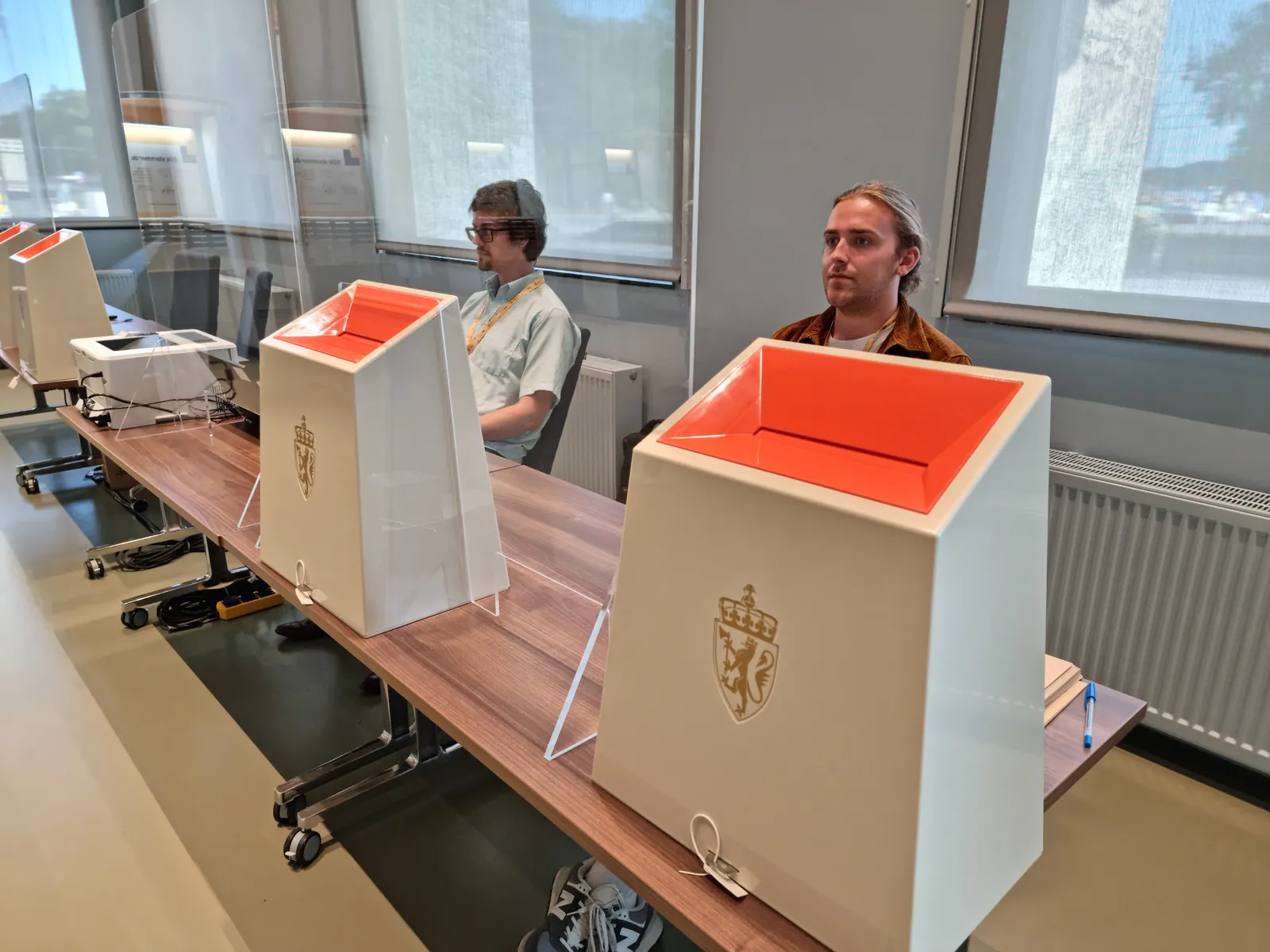
OSLO: On Tuesday, Nov. 17, the UN General Assembly's Third Committee voted 167 to four, with eight abstentions, to adopt the Norwegian-led text on protecting human rights defenders, Norway's Ministry of Foreign Affairs announced on Thursday, Nov. 19.
The International Service for Human Rights, which followed the negotiations, reported the completed adoption on Nov. 18 with the same result, 167 in favour, four against and eight abstentions, and notes that the text was adopted after weeks of negotiation. Norway's release records that China and Russia were among the abstentions.

A first American no
Oslo has brought resolutions of this kind to the UN for many years, aiming to unite member states behind the people who defend human rights on behalf of others. This year, on Oslo's account, Washington asked for the text to be put to a vote and then voted no, the first American vote against this Norwegian-led resolution. The ministry adds that American calls for votes on resolutions of this kind have become more frequent.
Foreign Minister Espen Barth Eide, in paraphrase in Norway's release, presented the result as a clear signal that member states stand together in protecting human rights defenders, including in the digital space, and as confirmation that human rights apply fully online as well as offline. He presented the breadth of the majority as evidence that the international community remains united behind defenders, while regretting that not all states were on board.
What the resolution covers
The resolution is the General Assembly text on implementing the UN Declaration on Human Rights Defenders. Norway's deputy permanent representative, Herborg Fiskaa Alvsåker, introduced the draft, numbered A/C.3/81/L.36, to the Assembly's Third Committee on Nov. 17, describing its purpose as practical: turning recognition of defenders into effective protection and an environment in which they can work freely and safely. The committee adopted the text in its revised form, A/C.3/81/L.36/Rev.1.
Its subject is how states should secure a safe and enabling environment for defenders both online and offline. Norway's release lists online harassment and violence, unlawful or arbitrary surveillance, emerging technologies including AI, and what technology companies must do to respect human rights. The International Service for Human Rights adds spyware and biometric surveillance, online gender-based violence and deepfakes, and stronger protection for women defenders in particular.
A new element this year is transnational repression: states seeking to threaten, harass or silence critics after they have left their home country and across borders. Norway's release names it as an important addition, and the Service likewise welcomes the text's recognition of repression conducted abroad. Both accounts also record coverage of lawsuits used to intimidate or silence defenders.
Where it goes from here
The text follows an earlier Norwegian-led text, adopted by consensus at the UN Human Rights Council in 2025, which dealt with defenders in the context of new and emerging technologies. The Service notes that this year's theme follows that Council text and a 2026 report on the risks digital technologies pose to defenders.
The cycle now lengthens. Norway says the resolution will in future be considered every three years rather than every two, a change it links to efforts to make the UN more efficient and to align the text's timetable with other UN processes on human rights defenders.
None to date. The Tribune corrects errors promptly and transparently. Read our corrections policy.