Norway and Britain will jointly fund two fast boats for Ukraine's navy to guard Black Sea trade
Norway and the United Kingdom will split the cost of two British-built fast boats for the Ukrainian Navy, in a programme Oslo values at more than NOK 1 billion and London at more than 100 million pounds, announced at a Coalition of the Willing meeting in Berlin on Thursday, Nov. 19.
OSLO: Norway and the United Kingdom are jointly funding two advanced fast boats for the Ukrainian Navy, the two governments announced on Thursday, Nov. 19, in parallel releases issued as their prime ministers met Ukraine's partners in Berlin under the Coalition of the Willing banner.
Oslo values the two vessels at more than NOK 1 billion and describes them as fast patrol boats. London puts the joint investment at more than 100 million pounds, calls the vessels fast attack boats, and says each one is 30 metres long and will be built in the United Kingdom. Neither release gives a delivery date.
The money is split evenly. Both governments say the programme is funded equally by the two countries and channelled through the Maritime Capability Coalition, the naval support grouping that Norway and the United Kingdom lead together.
The stated purpose is maritime defence in the Black Sea. Oslo says the boats will help protect the Ukrainian maritime corridor in the Black Sea, while London says they will strengthen Ukraine's ability to defend that sea, protect its coastline and secure vital trade routes.
Air defence, missiles and a frigate comparison
London says the boats will carry advanced air defence, missile and self-defence systems, and describes their capability as comparable to a frigate's at a fraction of a frigate's price. Oslo says more generally that the boats will be fitted with advanced defence technology, and both governments say the onboard systems, components and equipment will come from suppliers across Europe.
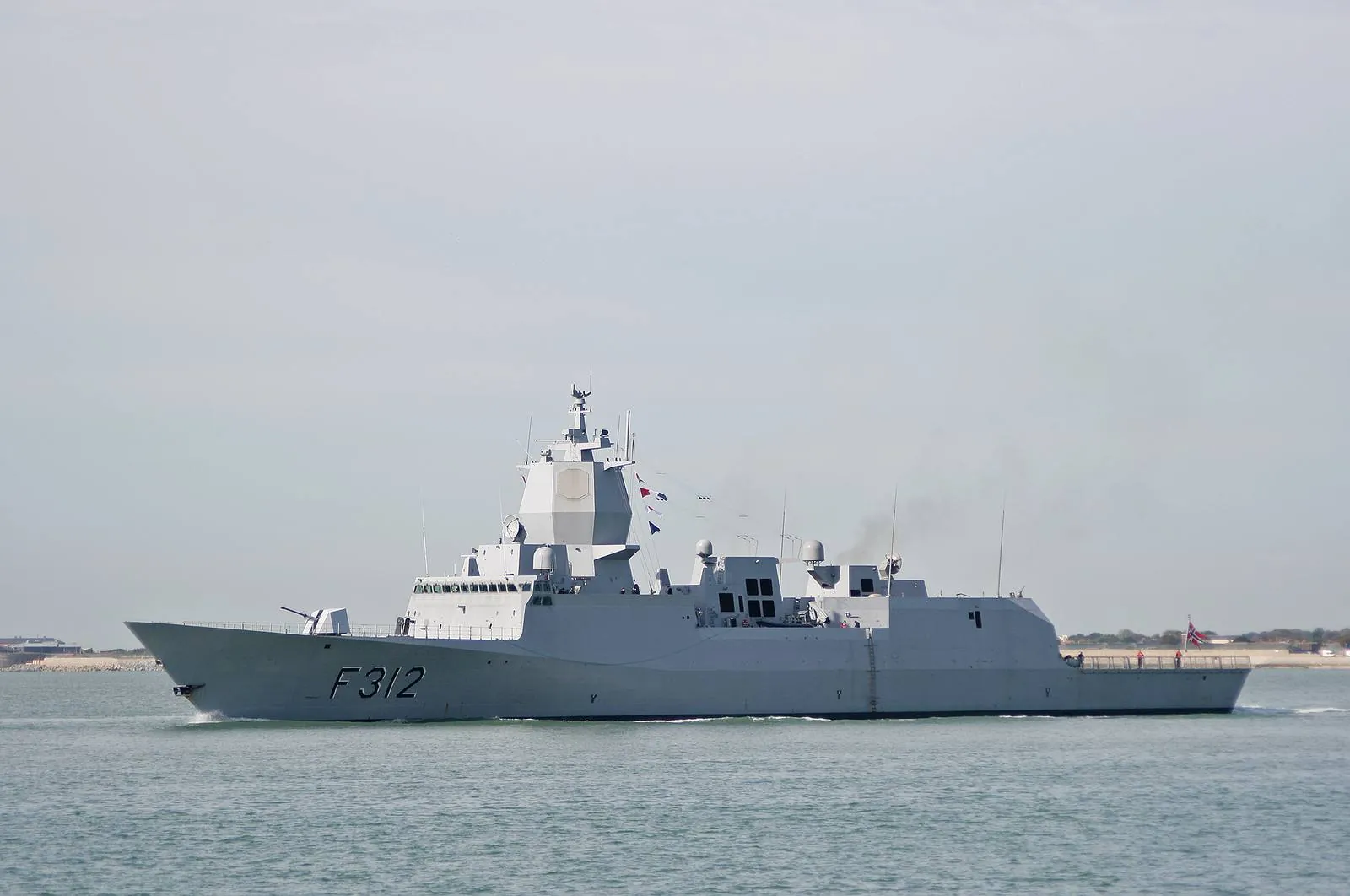
Prime Minister Jonas Gahr Støre, in Oslo's account, presented the initiative as strengthening Ukraine's ability to defend itself, supporting the Ukrainian economy and safeguarding exports, including grain shipments through the Black Sea, and restated Norway's steadfast support for Ukraine. Defence Minister Tore O. Sandvik, in the same release, said the boats would improve Ukraine's long-term maritime security as well as its ability to defend itself against attacks.
London's release carried a parallel message from Prime Minister Andy Burnham, who presented the British-built, jointly funded project as strengthening Black Sea defences and European security, and from Defence Secretary Wes Streeting, who linked the boats to protecting trade routes and deterring Russian aggression. London adds that the two countries will also deepen cooperation on AI, including defensive uses on the battlefield.
The corridor the boats are meant to protect
Ukraine's Black Sea maritime corridor dates from September 2023. Oslo says 200 million tonnes of cargo have since moved through it, more than half of it grain, and that grain and other exports through the Black Sea are vital to Ukraine's economy and to international food security. London likewise ties the boats to the Black Sea grain corridor and to exports it calls critical for Ukraine's economy and for food security worldwide.
In the same Berlin announcement, London said the United Kingdom would also provide 1,000 more long-range strike drones for Ukraine. That drone commitment appears in the British release only and is a United Kingdom commitment, not a joint one.
Norway's share sits inside its established Ukraine framework. Oslo says its support to Ukraine is provided under the Nansen Support Programme for Ukraine, and notes that the Government has proposed allocating NOK 85 billion in military and civilian support to Ukraine in 2027, to be allocated in close dialogue with the Ukrainian authorities.
None to date. The Tribune corrects errors promptly and transparently. Read our corrections policy.